 Posted by
 As parents, we always hope every experience for our kids is a good one, and dental visits are no different. Imagining our child feeling scared or uncomfortable at the dentist can make any of us feel anxious.
Thankfully, today’s pediatric dentistry offers wonderful, safe options to turn what could be a stressful appointment into a calm, even easy, experience. Helping your child get the care they need without developing a lifelong fear of the dentist starts with finding the right path to their comfort.
Inside this post, you’ll find everything you need to know about pediatric sedation options. We’ll explain what to expect from each, empowering you to confidently select the ideal option for your child’s comfort.
When Comfort Needs a Little Help
Not every child needs sedation for dental work. But for a lot of kids, it really changes the experience. It might be a good idea if:
Deep-Seated Fears: For kids who get really anxious just thinking about going to the dentist, sedation can be a game-changer. It helps them relax and be more cooperative, which can stop those negative feelings about dental visits from sticking around.
Big Jobs: Longer appointments, several fillings, or minor surgeries can be a lot for a child to handle while wide awake and still. Sedation allows the dentist to work efficiently and precisely, often getting more done in a single visit.
Small Children or Unique Needs: Sometimes, it’s just hard for tiny patients or children with special healthcare needs to sit calmly or follow directions. Sedation can make a world of difference, allowing them to get their necessary dental care in a safe and comfortable way.
Bothersome Gag Reflex: A noticeable gag reflex can really complicate what should be a routine dental visit, making it quite uncomfortable. However, sedation can help calm that reflex, making the whole process smoother and less painful for your little one.
The main idea is to provide your child with a good start regarding their dental health that is going to last a lifetime. Sometimes, a little sedation is just the best way to keep them comfortable and make sure they don’t have any bad dental experiences. That’s one of the most important benefits of sedation dentistry for kids.
Sedation Options for Little Ones
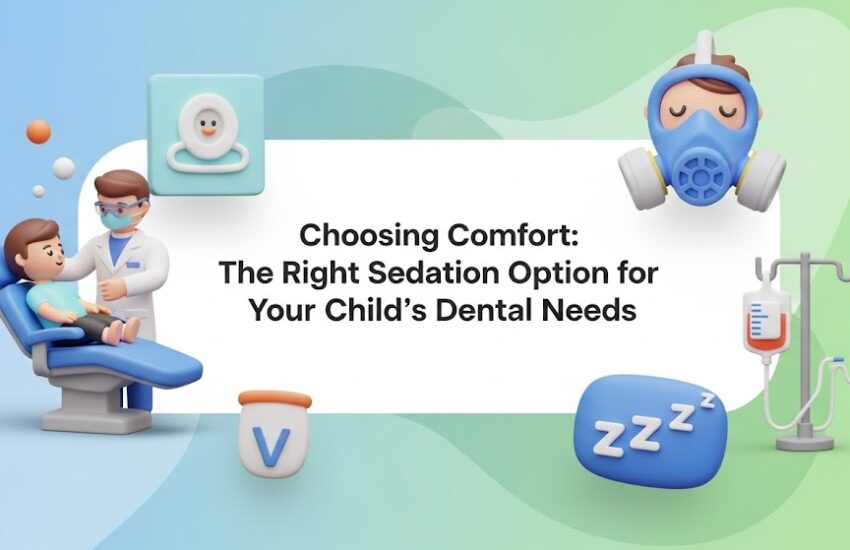
Pediatric sedation options have truly come a long way. These days, it’s all about keeping kids safe and making sure the approach fits each child perfectly. Let’s look at the most common and helpful choices we have now:
Nitrous Oxide (Laughing Gas)
How it works: Your child will breathe in “laughing gas” through a comfy mask over their nose. It helps them feel calm and peaceful, letting go of any jitters. What’s really nice is that they stay completely aware and can easily talk to the dentist throughout the procedure.
Why it’s great: This remains the most popular and mildest form of sedation available. It starts working fast and wears off just as quickly, making it ideal for quicker visits or for children who need just a bit of help with their nerves.
Oral Conscious Sedation
How it works: Your child will be given a liquid medication (commonly Midazolam) to drink before their appointment. This helps them get very relaxed, often making them feel sleepy and less tuned into what’s happening. Even so, they can still respond if you gently talk to them or try to get their attention.
Why it’s great: This option offers more relaxation than laughing gas, making it a good fit for children who are moderately anxious or when the dental work might take a bit longer. Dentists are always working to fine-tune how they use these medications, sometimes even combining them for an even smoother and safer experience.
IV Sedation (Intravenous Sedation)
How it works: A soothing medication is delivered right into a vein using a very small IV. They’ll be pretty sleepy, but if you speak to them gently, they might still be able to respond a little.
Why it’s great: This option is generally for more significant dental work or for children who experience extreme anxiety or have special needs that necessitate a greater level of calm. Since the medication is delivered directly into the vein, it allows us to fine-tune the relaxation, which makes it particularly safe.
General Anesthesia
How it works: With this option, your child goes completely to sleep. They won’t feel anything or have any memory of what happened. An anesthesiologist handles this, often in a hospital or a dedicated surgical center.
Why it’s great: General anesthesia is reserved for the most complex cases, for very young children who can’t cooperate at all, or for those with significant medical conditions. Thanks to advances in medications and monitoring, it’s safer than ever, though it does carry the highest level of risk, which is why it’s used only when truly necessary in a highly controlled environment.
Safety is Always the Top Priority
Your child’s safety is naturally every parent’s number one concern. Good child-friendly dentist offices understand this completely, putting safety first when it comes to sedation. Here’s what to pay attention to:
Experienced Professionals: When it comes to your child’s dental care, it’s essential to ensure that your dentist and their team have the right training and certifications in pediatric sedation. If deeper sedation is needed, like IV or General Anesthesia, having a board-certified anesthesiologist or a dental anesthesiologist with specialized training is a must.
Following the Rules: Your dentist needs to stick to the guidelines laid out by professional organizations like the American Academy of Pediatric Dentistry (AAPD) and the American Dental Association (ADA). These guidelines are regularly updated to maintain the highest safety standards.
Thorough Checks: Before any sedation, your child will have a complete health history taken, along with a physical exam and an assessment of how anxious they are. This helps us figure out the safest and most effective sedation method for them. The team will ask about all medications, allergies, and any health issues your child might have.
Constant Monitoring: Throughout the sedation, your child’s vital signs—things like their heart rate, oxygen levels, blood pressure, and breathing—are watched continuously using the very latest equipment.
Ready for Anything: The dental office will always have all the necessary emergency medications and equipment close by, and the staff is fully trained in pediatric life support.
Studies consistently show that pediatric dental sedation is very safe when given by trained professionals in the right setting. Don’t hesitate to ask your dental team detailed questions about their safety procedures and experience.
How to Feel Confident in Your Choice
It’s really important to talk openly with your child’s pediatric dentist before choosing sedation. Here are some crucial questions to bring up:
Which sedation options do you recommend for my child, and why is that the best choice?
Are there any side effects of each option? If yes, then explain.
What safety steps and monitoring tools will be in place?
What do I need to do to prepare my child, and what should I expect once the appointment is over?
How will my child feel during and after the procedure?
What happens if there’s an emergency?
Conclusion
Choosing the appropriate sedation to treat your child does a lot more than just have a procedure completed. It actually frames their entire perception towards oral care. Children who have good, simple experiences when young stand a much better chance of maintaining good habits and being comfortable at the dentist throughout their lives.