 Posted by
 When you have acne-prone skin, figuring out skincare can feel precarious—and this is true when talking about using sunscreen. You aim for protection but don’t want it to leave your face feeling dirty or bumpy. You can now use tinted sunscreen, which gives you great sun protection and a flawless finish all in one in a single package. However, can we really trust it for people with sensitive, acne-prone skin? Or maybe just something that sounds cool but may not be good for you in the long run? In this post, we’ll take a close look at tinted sunscreen SPF 50 —its workings, the differences from regular sunscreen, and if it’s worth including in your skincare routine if you have acne.
What Is Tinted Sunscreen, and How Does It Work for Your Skin?
If you’ve asked yourself, what is tinted sunscreen actually? The answer could transform your skincare in a big way. Essentially, tinted sunscreen combines the proven UV protection of regular sunscreen with a light tint that helps even your skin tone. Iron oxides are usually what give this tint light coverage and help shield against harmful light beamed by the sun. Just like a guardian, sunscreen helps protect your complexion from sun damage and hides different spots or imperfections. Since it blends skincare and makeup benefits into a single breathable formula, it’s perfect for giving you clear, natural-looking skin and well-protected from the sun. Whether your plans are work, exercise, or a brunch with friends, a bit of tinted sunscreen makes your day easy and pleasant while protecting your skin.
Why Tinted Sunscreen Is a Game-Changer for Acne-Prone Skin
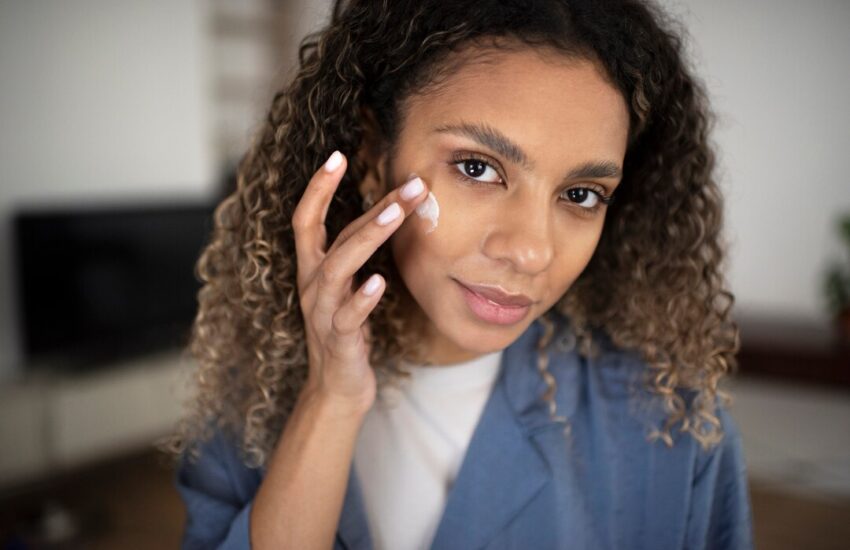
Trying to use products that won’t give you more acne can make you feel like you’re walking a thin line. That’s the reason tinted sunscreen has made a big difference in skincare. Most sunscreens can be greasy and leave your face looking oily; on the other hand, tinted sunscreen helps keep your look fresh by protecting your skin and adding a hint of color. Because the product has a light, breathable texture, it spreads easily to create a thin layer of color that levels out skin and gently covers up imperfections—without needing a heavy foundation.
A lot of tinted sunscreens have ingredients that help keep acne away, for example, zinc oxide, niacinamide, or antioxidants, and these also calm inflammation and lessen redness. Because of its tint, the sunscreen helps soften the white cast common to mineral sunscreens, which is suitable for everyone. All in all, using tinted sunscreen means you’re treating your skin and preventing acne at the same time.
Ingredients to Look For and Avoid in Tinted Sunscreen
Sometimes tinted sunscreens aren’t as effective, and this can be a big concern for those with acne. Keeping your skin calm and spotless requires you to be familiar with what’s included in your beauty products. You should choose sunscreens with zinc oxide or titanium dioxide, which work gently and may help soothe irritation. Added bonus for using products containing both niacinamide, which can regulate your skin’s oil, and hyaluronic acid to prevent your pores from becoming blocked. You should not use heavy emollients like coconut oil, lanolin, or petrolatum, as they can keep bacteria trapped and make your breakouts worse.
Sensitive skin may react poorly to things like fragrances and alcohol since they are not good for its condition. The best tinted sunscreen for your skin should be labeled non-comedogenic and should also moisturize your skin, offer great coverage, and guard against the sun’s rays. Using the right combination, you can have sun protection you feel good about and like the results too.
Makeup Meets Skincare: How Tinted Sunscreen Simplifies Your Routine
Because life can be busy these days, simple skincare is truly a luxury. That’s why tinted sunscreen works like magic, performing the roles of both makeup and skincare in a simple bottle. If you want to know what tinted is sunscreen, think of it as a light foundation or BB cream that also shields your skin from harsh UV rays. By combining moisturizer, foundation, concealer, and sunscreen, this hybrid product saves anyone with acne-prone skin from having to layer lots of products. Essentially, tinted sunscreen SPF 50 saves you effort, keeps your skin healthy, and helps reduce the likelihood of getting acne from using heavy makeup. From just one tube, you get so much—clear, protected skin shouldn’t be difficult.
Conclusion
Because people with acne-prone skin require gentle care and ample protection, tinted sunscreen shows it’s both attractive and good for your skin. Basically, it links the field of sun protection with the principle of enhancing your skin tone, so you don’t have to choose between effort and quality. Between learning what sunscreen SPF 50 does and finding out why it suits breakouts, it’s easy to realize this sunscreen should not be ignored in your skincare routine. It’s breathable, buildable, and beautifully balanced—giving you that healthy glow while keeping UV damage and irritation at bay. So, whether you’re heading out or planning to stay in, tinted sunscreen will protect and flatter your skin for years to come.